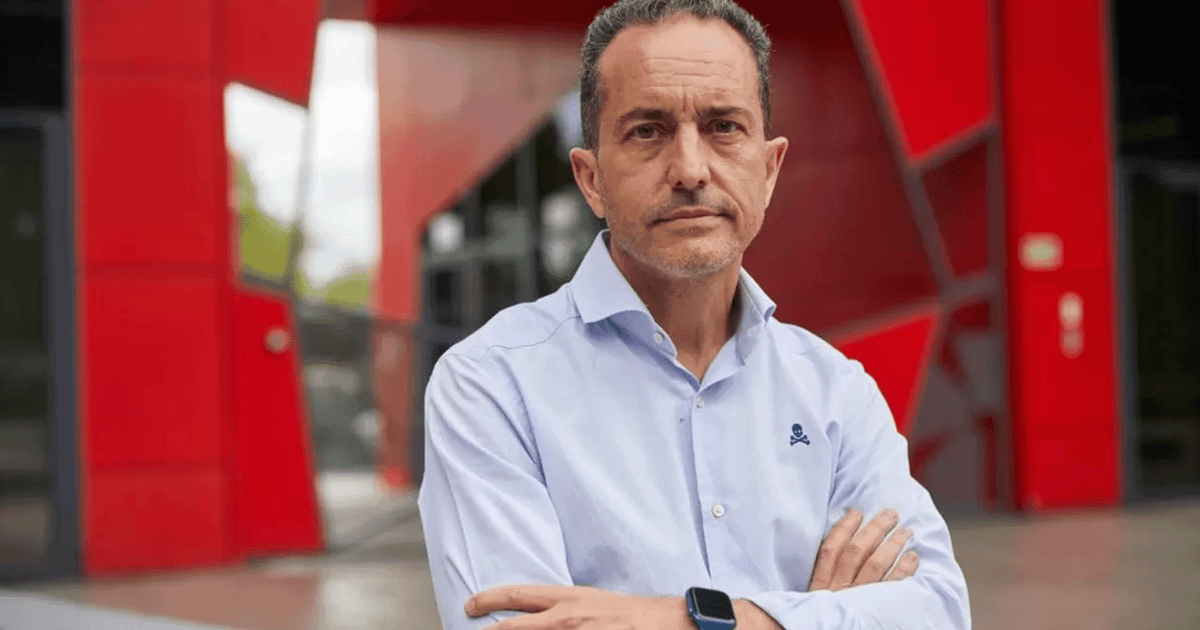
Yago Tenorio believes that continuously sensing AI assistants, such as smart glasses, could shift the ratio of downlink to uplink traffic from 9 to 1 to nearly 1 to 1. Yet these devices have fewer antennas and shorter battery life, and the industry has not yet found the technical breakthrough needed to accommodate this demand.
Why it matters
Mobile networks were designed for watching videos, not for continuously feeding AI agents. If this assessment proves correct, it changes operators' investment priorities and the specifications for 6G. For industry players, it is a signal about the feasibility of embedded AI use cases at scale.
What to take away
The topic ties into the AI in Action theme at MWC 2027 from a rarely addressed angle: the network's physical constraints. The approaches mentioned, from full duplex to band separation, are also being explored by Ericsson and T-Mobile. An early signal to watch: uplink performance could become a selling point for operators.
In detail
- Event
- MWC soir
- Category
- AI in and on the network
- Region
- États-Unis
- Published
- 31 October 2026
- Companies mentioned
- Verizon, Ericsson, T-Mobile
Original source: Light Reading
Read the sourceLight Reading, quoted by Back from Tech Events, 31 October 2026. Summary rephrased; read the source for the full text.
AI-assisted, reviewed and refined by the editorial team